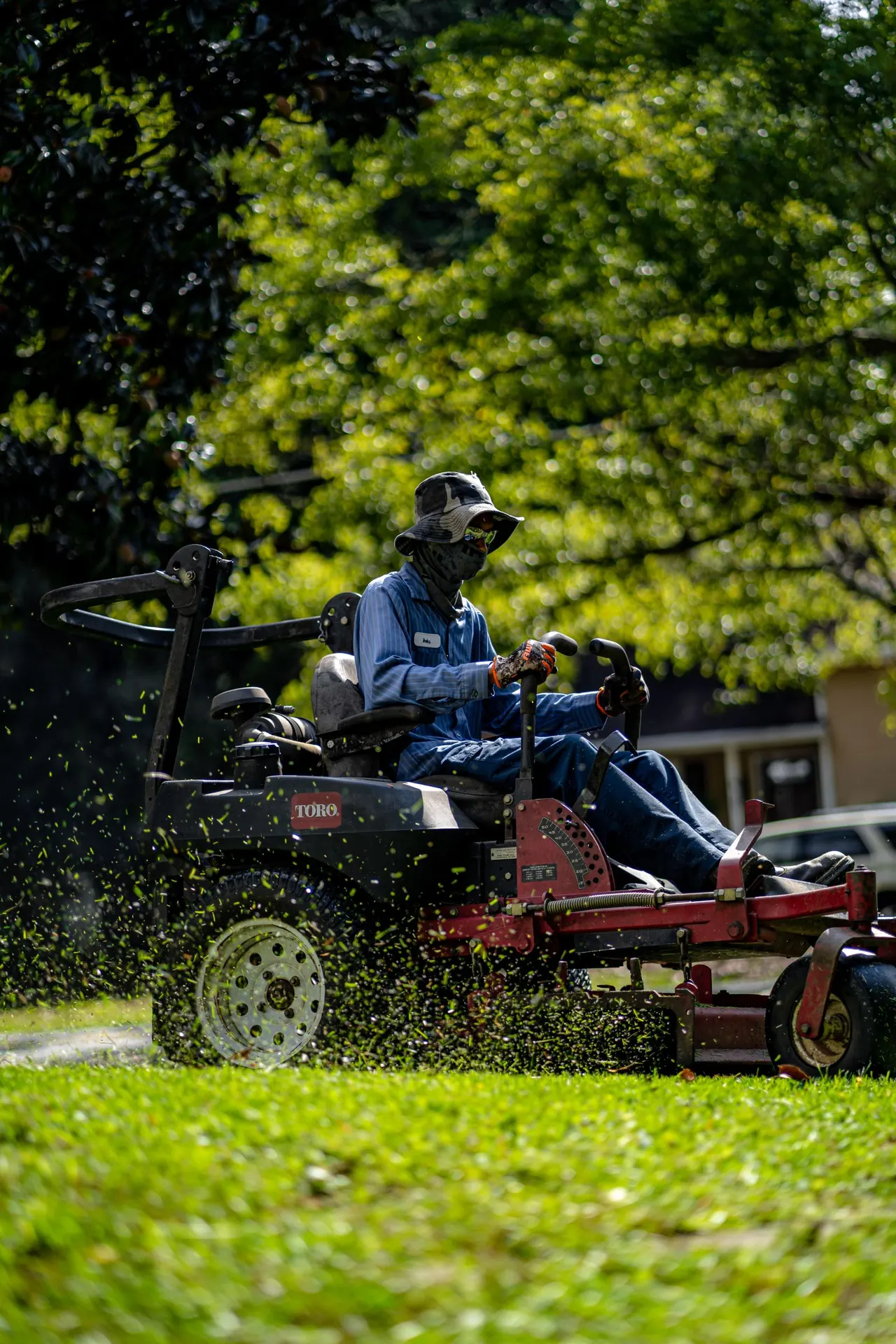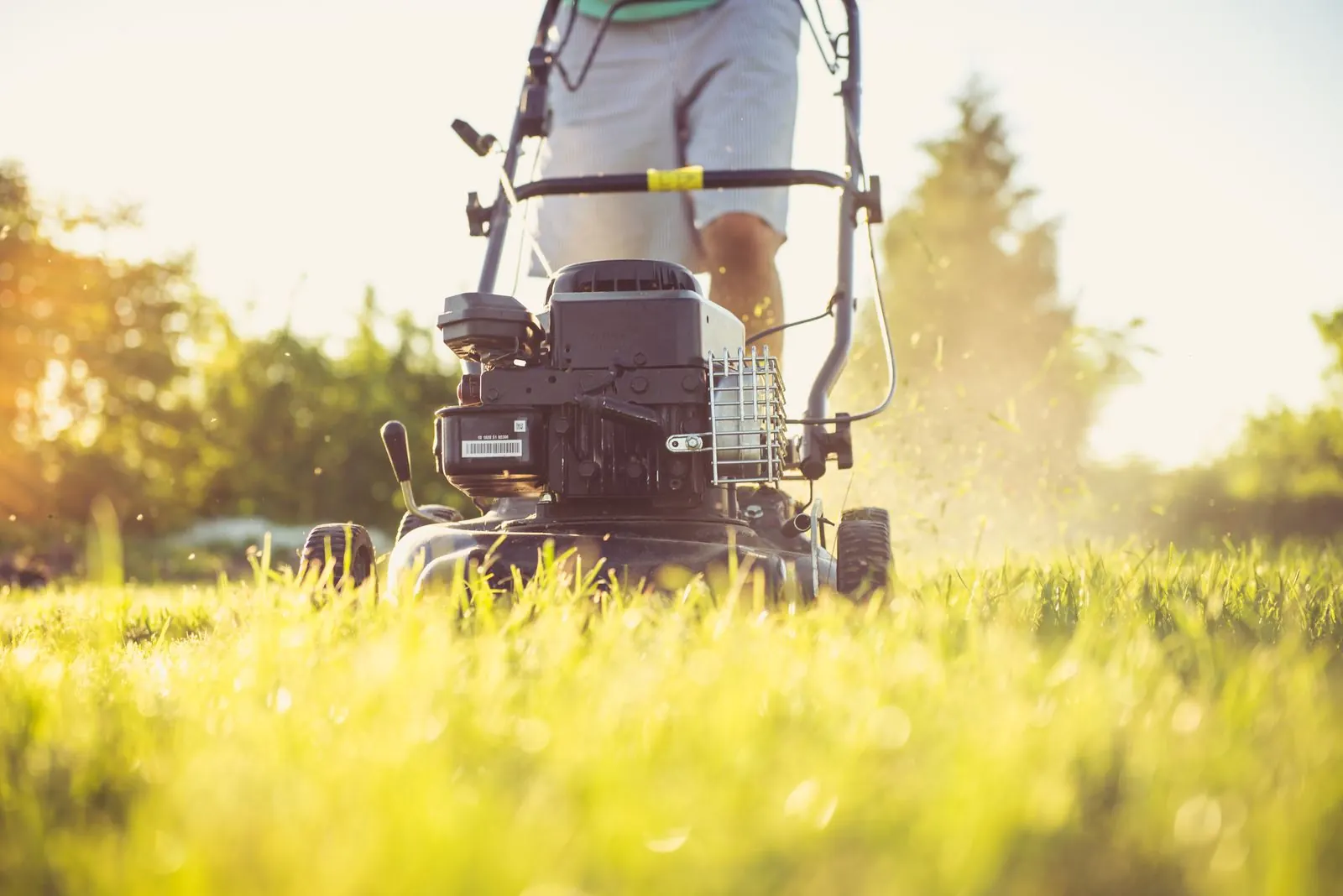
Riverview does not have a long dormant winter like northern climates, but lawn growth and property-care priorities still change through the year. A calendar keeps essential tasks visible while allowing the schedule to respond to weather and turf conditions.
January through March: inspect and prepare
Growth may be slower. Use the period to sharpen mower blades, inspect irrigation zones, refresh bed edges and identify drainage or compaction problems before summer rainfall.
April through June: transition into active growth
As temperatures rise, mowing frequency often increases. Confirm the appropriate mowing height, test the rain sensor and review current local watering requirements.
July through September: manage heat and heavy rain
Adjust the schedule around saturated soil, rapid growth and storm debris. Keep clippings away from streets and storm drains. Do not irrigate automatically when rainfall has already supplied enough moisture.
October through December: clean up and review
Growth may slow as daylight changes. Continue mowing according to actual conditions, clear accumulated leaves and evaluate which landscape areas performed well during the wet season.
Tasks that belong on every monthly checklist
- Walk the irrigation zones for leaks and overspray.
- Inspect turf for expanding thin or discolored areas.
- Check edges, entrances and high-visibility property lines.
- Remove debris before it blocks drainage.
- Review current Hillsborough County water guidance.
For more local conservation guidance, Hillsborough County publishes landscape and water-saving tips. Florida Sugar Maple’s service overview can help you choose the right residential, HOA or commercial path.