Florida’s rainy season can produce rapid turf growth one week and saturated soil the next. The right response is not to keep every task on autopilot. Riverview lawns benefit from flexible mowing, active drainage checks and irrigation adjustments after repeated storms.
Pause irrigation when the soil is already wet
A working rain sensor should prevent unnecessary cycles. Hillsborough County notes that irrigation is not needed while rain is falling or the ground is saturated. Its storm-safety guidance also recommends checking current watering restrictions.
Wait before mowing saturated areas
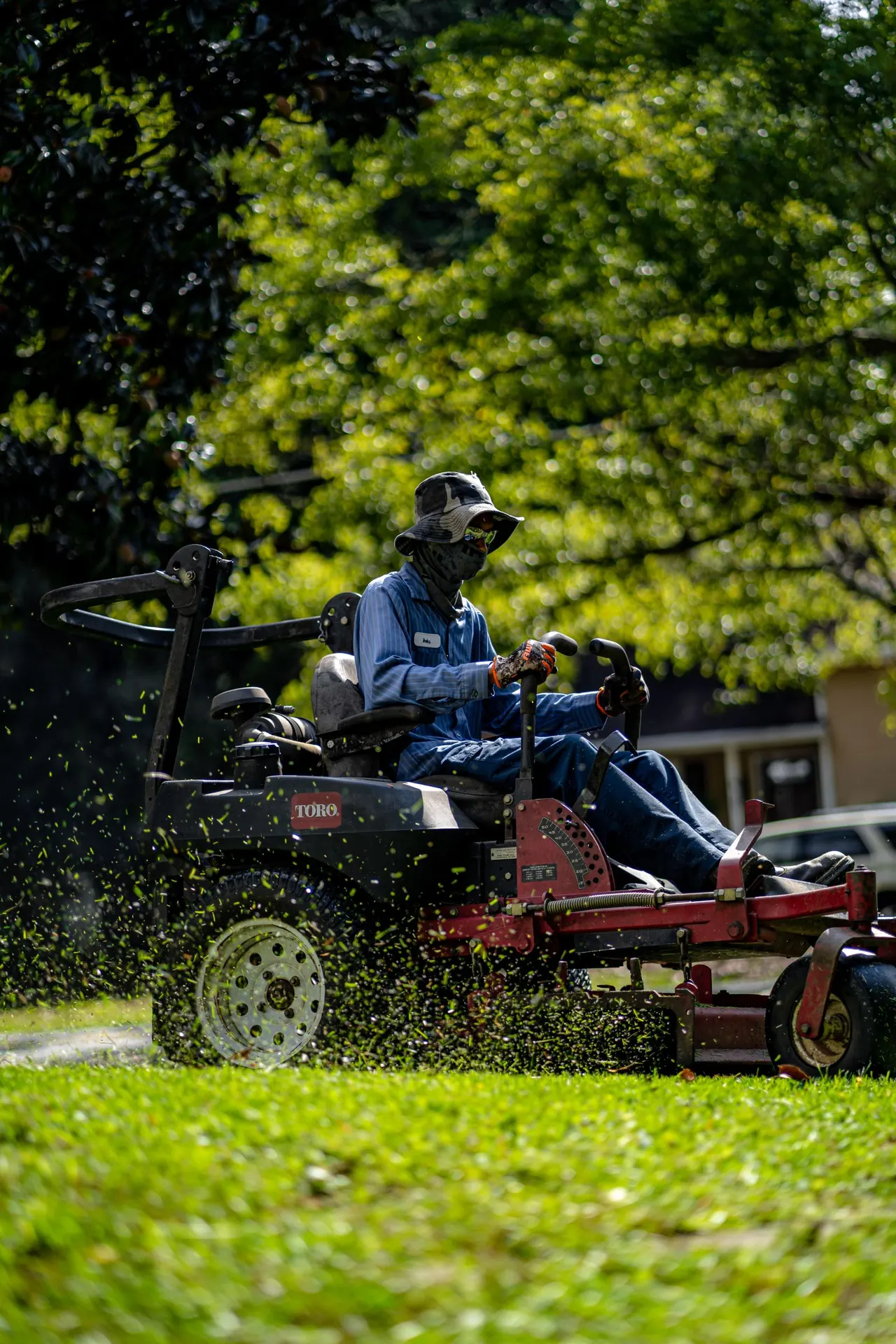
Soft ground is easy to rut. Heavy equipment can compact the soil and leave uneven tracks that remain visible after the surface dries. Delay the cut when tires sink or water rises around a footprint.
Remove the material that blocks drainage
- Clear leaves and grass clumps from swales.
- Keep street drains free of yard debris.
- Redirect downspouts only where runoff can safely disperse.
- Look for low spots that remain wet long after surrounding turf dries.
Watch for symptoms that persist
A brief color change after cloudy weather may be temporary. Expanding patches, a persistent odor, thinning roots or recurring standing water deserve closer evaluation. Avoid treating every wet-weather symptom with fertilizer.
The EPA recommends preventing pooling and runoff as part of water-smart landscape management. Florida Sugar Maple can coordinate mowing, trimming and cleanup through recurring lawn service.